
As a Senior HVAC Service Technician at Cool Tech hVAC Corp., I’ve spent over 15 years working inside New York’s unique and varied homes. Every year, as summer humidity gives way to crisp autumn air, the same countdown begins for homeowners and property managers across the five boroughs: the official start of the city’s heat season on October 1st. Here in New York, preparing for winter isn't just about pulling out a warmer coat. It’s about ensuring the complex systems that keep our homes warm are ready for the demanding season ahead. The switch from full-time cooling to heating is a critical moment, especially in a city defined by its historic architecture and diverse HVAC setups.
New York Weather Challenges
New York’s climate is one of extremes. We go from sweltering, humid summer days where our air conditioners run nonstop to bone-chilling winters with biting winds that find their way through every crack. This rapid transition puts immense strain on HVAC systems. A furnace or boiler that has sat dormant since May can easily develop issues that only become apparent when you need them most.
At Cool Tech hVAC Corp., we see this often in New York. The first cold snap in October triggers a flood of service calls for systems that failed to start. Issues like a faulty ignitor, a clogged condensate line, or a malfunctioning thermostat can leave you without heat unexpectedly. Furthermore, the residual humidity from our summers can contribute to corrosion or buildup within dormant heating components, making a pre-season inspection even more vital. Waiting until the first frost to discover a problem is a recipe for a cold and frustrating emergency service call.
Best Practices for Local Homeowners
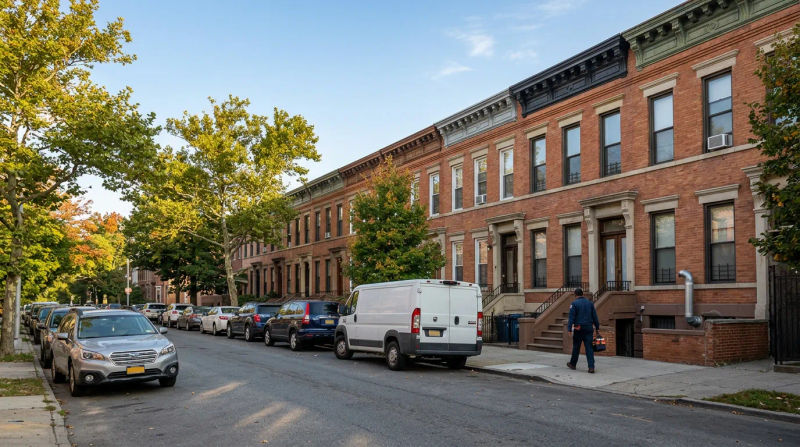
Proper heat season preparation New York style means being proactive, not reactive. Given the age and style of many local buildings, a one-size-fits-all approach doesn't work. Many homes in our area were built pre-1940s, characterized by beautiful brick and brownstone rowhouses. These structures often rely on boilers, steam heat, and radiators - systems that require specific knowledge.
Here is our recommended New York HVAC checklist to tackle before the October 1st deadline:
- Test Your System Early: Don't wait for the first cold night. In September, turn your thermostat to ‘heat’ and set it a few degrees above the current room temperature. Let the system run for at least 15-20 minutes. Listen for unusual noises, smell for odd odors (a faint dusty smell is normal at first, but acrid or metallic smells are not), and ensure warm air or radiant heat is being produced.
- Inspect and Clear Vents and Radiators: Ensure all vents, baseboard heaters, and radiators are clear of furniture, rugs, and drapes to allow for proper air circulation. For those with steam radiators, this is the time to check for hissing valves or water leaks. A properly functioning air vent should hiss as air escapes and stop once the radiator fills with steam.
- Check Your Thermostat: If you have a programmable thermostat, check the settings and replace the batteries. If you're still using an old mercury-based thermostat, consider upgrading to a smart thermostat. It can improve efficiency and comfort, especially in older buildings with heating inconsistencies.
- Forced-Air System Specifics (Furnaces):
- Change Your Air Filter: This is the single most important maintenance task for furnace owners. A clogged filter restricts airflow, forcing the system to work harder, driving up energy bills, and potentially causing a breakdown.
- Examine Ductwork: If you have accessible ductwork in a basement or crawlspace, visually inspect it for any obvious gaps, tears, or loose connections that could be leaking precious heat.
- Boiler and Radiator System Specifics (Common in Pre-War Buildings):
- Bleed Your Radiators: If your hot water radiators have cold spots, it often means trapped air is preventing them from filling completely. Use a radiator key to slowly open the valve at the top until you hear a hiss. Close it as soon as water begins to drip out.
- Check the Boiler Pressure: Look at the pressure gauge on your boiler. It should typically read between 12-15 PSI when the system is cold. If it’s too low, the system may not circulate water effectively to upper floors - a common issue in multi-story brownstones.
- Look for Leaks: Inspect the pipes around your boiler and radiators for any signs of water damage or active drips. A small leak can become a major problem under the constant pressure of a running system.
This checklist is a great starting point for general readiness and is particularly crucial for apartment heating maintenance New York, where one tenant's issue can affect the entire line.
Local Resources and References
As a New York resident, it's important to be aware of the specific regulations governing heat. The NYC Department of Housing Preservation and Development (HPD) mandates that landlords provide heat from October 1st through May 31st. Understanding your rights and your system's requirements is part of being a prepared homeowner or tenant.
For any work involving gas lines, such as with a gas furnace or boiler, it's non-negotiable to use a licensed and insured professional who understands local codes. Our technicians at Cool Tech hVAC Corp. are fully trained on all city regulations and safety protocols. We coordinate directly with building managers and co-op boards to ensure all work is performed to standard, providing peace of mind for everyone involved.
Choosing a Local Expert
When it comes to servicing the heating systems in New York’s historic homes, local expertise is everything. A technician who primarily works on suburban single-family homes may not have the hands-on experience needed to diagnose a temperamental steam boiler in a century-old brownstone. They might not understand the access challenges of a basement boiler room or the nuances of a hydronic system spanning multiple floors.
This is where a dedicated local company makes all the difference. Cool Tech hVAC Corp. has served New York homeowners for years, and our team is intimately familiar with the city's housing stock. We understand the difference between a pre-war tenement's steam heat and a modern condo's heat pump. Our standardized processes and organized workflows mean we can diagnose issues efficiently and accurately, saving you time and money. The team at Cool Tech hVAC Corp. recommends scheduling your Oct 1 heat season HVAC maintenance in September to ensure priority service before the seasonal rush.
Get Ready for a Warm and Comfortable Winter
As your local HVAC expert, my best advice is simple: don't wait for the system to fail. A proactive approach is the key to a stress-free winter. By running through this checklist and addressing potential issues now, you can ensure your home remains a warm, comfortable sanctuary when the cold weather arrives. An hour of prevention in September is worth a weekend of shivering in December.
When it comes to ensuring your HVAC system is ready for a New York winter, trust the team that knows your neighborhood. If you have questions or want to schedule a professional tune-up, contact me and the team at Cool Tech hVAC Corp.. We have the local expertise you can depend on.