
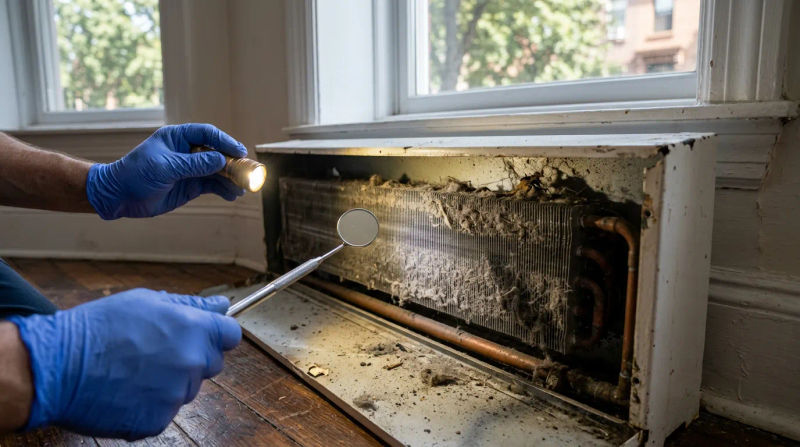
It’s one of the first truly chilly days of the season in Staten Island. After months of relying on air conditioning or just open windows, you head to the thermostat and switch it over to “heat” for the first time. A few minutes later, a distinct, slightly alarming smell wafts from the vents - a hot, dusty odor that makes you wonder if something is wrong. As a senior HVAC service technician with over 15 years of experience, this is one of the most common calls we get every autumn. That initial heater burning smell is usually harmless, but it's crucial to understand what causes it and when it might signal a more serious problem.
That first run of the season is a test for your heating system. After sitting dormant through the humid New York summer, components that have been idle are suddenly put to work. Understanding the signs your system gives you can help you ensure a safe and comfortable winter.
Common Signs and Symptoms
The most frequent symptom homeowners notice is what we call "dust burn-off." This is the classic scenario where the heater smells like smoke first time you use it. The odor is typically:
- Musty and dry: It smells like something old and dusty is being heated up rapidly.
- Short-lived: The smell should be most potent in the first 15-30 minutes and should completely dissipate within an hour or two as the dust burns away.
- Consistent from all vents: The smell should come from all the vents in your home, not just one isolated area.
It is vital, however, to distinguish this common smell from others that indicate a genuine hazard. Our technicians are trained to identify these olfactory clues immediately, as they point to very different underlying issues:
- Burning Plastic or Rubber: A sharp, acrid smell is a major red flag. This often points to an electrical problem, such as failing wiring insulation, a short circuit, or an overheating blower motor. This smell will not go away and may get worse.
- Oily or Chemical Smell: For homes with oil furnaces, this could indicate a leak or a problem with the burner. It's a heavy, persistent odor that requires immediate attention.
- Rotten Eggs or Sulfur: If you have a natural gas furnace, this smell is an unmistakable warning sign of a potential gas leak. Gas utilities add a substance called mercaptan to natural gas specifically to make it detectable. If you smell this, leave your home immediately, call your gas utility from a safe distance, and then contact an HVAC professional.
Paying attention to not just the smell itself but also its duration and character is the first step in diagnosing what's happening with your heating system.
What Causes This Problem
Understanding the root cause of a heater burning smell helps demystify the issue. In most cases, the culprit is simple and benign, but other causes require professional diagnosis.
1. Dust and Debris Burn-Off This is, by far, the most common reason for that initial heating smell. Over the spring and summer, your heating system's internal components - the heat exchanger, heating elements, and burners - accumulate a thin layer of dust, pollen, pet dander, and other household particles. When you turn the heater on, these surfaces heat up to several hundred degrees very quickly. The accumulated layer of dust is instantly incinerated, creating that familiar burning dust smell from vents. It’s essentially a tiny bonfire of microscopic debris inside your furnace. This is especially common for Staten Island heater smell causes, where systems sit unused for many months.
2. A Severely Clogged Air Filter A dirty air filter is another frequent contributor. When the filter is clogged, it severely restricts airflow across the heat exchanger. This forces the furnace to work harder and can cause it to overheat. This overheating can intensify the normal burn-off smell and, in more serious cases, may cause the furnace's high-limit safety switch to trip, shutting the system down. More dangerously, the excessive heat can damage internal components, potentially leading to a more serious electrical burning smell.
3. Electrical Malfunctions This is the most dangerous category. An electrical burning smell is a sign that a component is failing and creating a fire hazard. Common causes include:
- An Overheating Blower Motor: The fan motor can overheat due to worn-out bearings, dirt accumulation, or a failing capacitor. This often produces a metallic or electrical burning odor.
- Frayed or Damaged Wiring: Wires with compromised insulation can short-circuit when the system powers on, melting the plastic sheathing and creating a distinct, hazardous smell.
- Foreign Objects: Occasionally, a foreign object like a child's plastic toy or a piece of debris can fall into the floor vents and end up resting near the heat exchanger, where it will melt or burn when the system is on.
4. Building and System Age In older New York neighborhoods with pre-1940s housing stock, like many brick rowhouses in Brooklyn and Staten Island, the original ductwork can play a role. These older ducts may not be as well-sealed as modern systems, allowing more dust from basements, wall cavities, and crawlspaces to be drawn into the furnace. This can result in a more significant and noticeable burn-off smell at the start of the season.
When to Call a Professional
So, how do you decide if this is a DIY observation or a situation requiring an expert? Here’s a clear guide our technicians use when advising homeowners.
You can likely handle it if:
- The smell is clearly a dusty, musty odor - not sharp or chemical.
- The smell completely disappears within an hour of turning the heat on.
- The system is otherwise operating normally with no strange noises.
A good first step is to replace your air filter. It’s a simple, inexpensive task that should be done every 1-3 months anyway. A fresh filter ensures proper airflow and can sometimes resolve minor overheating issues.
You should call a qualified professional immediately if:
- The burning smell persists for several hours or seems to be getting stronger.
- You see any visible smoke coming from the vents or the furnace unit itself.
- The odor smells like burning plastic, rubber, or a sharp electrical fire.
- You hear loud or unusual noises like banging, grinding, or high-pitched squealing accompanying the smell.
- Your carbon monoxide detectors are triggered. This is an emergency.
- You smell rotten eggs (for gas systems). Again, leave the house first, then call your utility company.
When our team responds to a call for a persistent heater burning smell, we perform a comprehensive diagnostic process. We don't just guess. We use multimeters to test electrical connections, inspect the heat exchanger for cracks or stress fractures, check the blower motor's amperage draw, and clean critical components. This standardized workflow ensures we identify the true source of the problem, whether it's harmless dust or a hazardous electrical fault, and restore your system to safe working order.
Conclusion
That first burst of warm, dusty air from your vents in the fall is a rite of passage for many homeowners. In most cases, it’s a temporary and harmless event caused by dust burning off your heater's internal parts. However, it's essential to remain vigilant. A smell that lingers, smells like plastic or chemicals, or is accompanied by smoke or strange noises is your system’s way of telling you it needs immediate professional attention.
Don't wait for a small issue to become a major safety concern. Proactive maintenance, like an annual tune-up before the heating season begins, is the best way to clean the system and catch potential problems early. This ensures that when you need your heater, it runs safely, efficiently, and without any alarming odors.
If you notice any of the warning signs discussed here, or if you simply feel unsure about a smell your heater is producing, don't hesitate. Contact a local HVAC professional for an inspection to ensure your peace of mind this winter.